
African Bank Business Funding is built for momentum—finance that follows delivery and cash flow. African Bank Business Funding helps South African operators turn purchase orders, equipment needs, and site roll-outs into bankable plans with repayments that won’t choke the business. In a market where speed and discipline decide winners, the right facility makes all the difference.
Business Funding



If your order book is full but the cash cycle is slow, African Bank Business Funding can slot into a smart stack—term-style working capital, asset-focused solutions, and trade options through partner rails—so you can act on demand, not just plan for it. This review breaks down what African Bank Business Funding is, how pricing and repayment work in practice, who qualifies, and how to blend it with DFIs and incentives for a resilient runway.
Overview
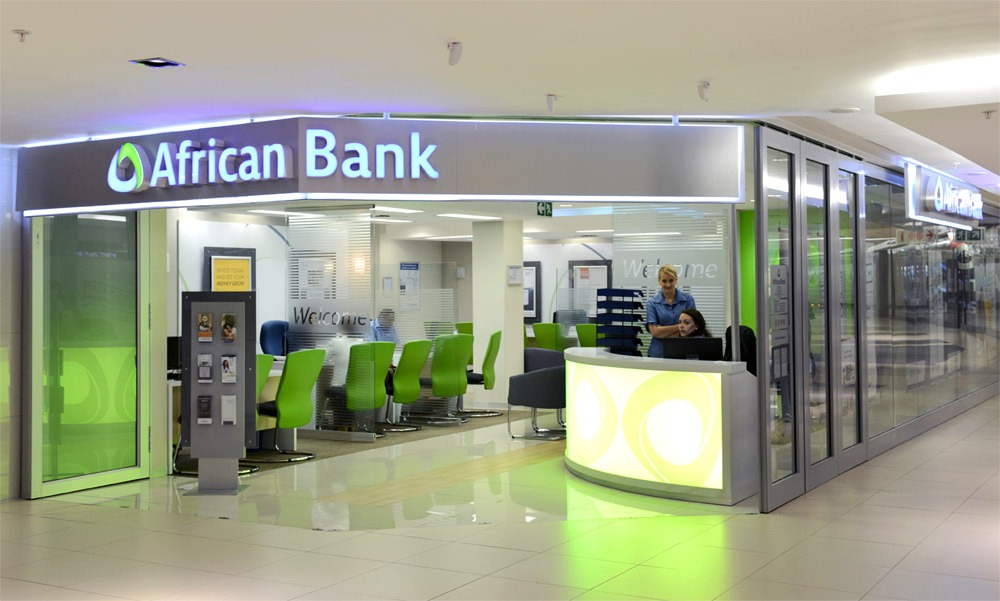
African Bank Business Funding supports SMMEs and mid-market firms with lending designed around provable cash flow, practical security, and milestone logic that mirrors how projects get done. The bank rewards organised operators: tidy statements, clean compliance, and credible contracts translate into sharper decisions and better terms.
Two fundamentals drive the approach. First, pricing is risk-based and product-specific—your numbers and security shape the offer. Second, repayment should be survivable—grace during build/installation when justified, then amortisation aligned to customer payment behaviour. Add milestone disbursements and you get finance that respects reality, not theory.
Key benefits and structure (at a glance):
- Product breadth (fit-for-purpose): Working-capital loans, overdraft-style flexibility via partners, asset/equipment finance logic, and invoice/trade options where appropriate.
- Cash-flow fit: Repayments sculpted to contract milestones, commissioning ramps, or seasonality.
- Stack-friendly: Plays well with DTI-style incentives (reducing effective capex) and DFIs (IDC/NEF/SEFA) for bigger moves.
- Execution discipline: Tranche releases tied to delivery/installation reduce leakage and keep projects on schedule.
- Signal to stakeholders: A bank facility improves supplier terms, landlord negotiations, and buyer confidence.
How to maximise approval odds with African Bank Business Funding:
Bring 6–12 months of bank statements, up-to-date management accounts, signed POs/framework agreements, supplier quotes (with serials/specs), and a 12–24-month cash-flow that shows exactly when cash returns. Align first principal to customer payment dates (not invoice dates), keep CIPC/tax/insurance current, and propose practical security (debtors cession, asset registers, insurance cessions). Do this and African Bank Business Funding becomes much easier to unlock.
Features
African Bank’s approach is engineered for everyday operators who convert capital into cash predictably.
- Working-capital facilities: Stabilise operations, preload inventory, or bridge lumpy expenses without starving fulfilment.
- Asset/equipment logic: Fund machinery, vehicles, and tools on schedules matched to asset life and commissioning dates.
- Overdraft-style flexibility (via partners): Smooth timing gaps between payables and receivables.
- Invoice/PO solutions: Turn approved trade into liquidity; pay suppliers sooner while collecting on client terms.
- Milestone drawdowns: Deposit → delivery → installation → commissioning to de-risk execution and reduce misuse.
What a typical use case looks like:
- Month 0–1: Submit a clean file with contracts/POs, cash-flow map, and security/insurance plan.
- Month 1–2: Receive term sheet; finalise legal and conditions precedent; stage delivery with suppliers.
- Month 2–5: Draw in tranches as equipment lands and installs.
- Month 3+: First principal begins after customer payment terms kick in; DSCR stays healthy because instalments mirror cash-in.
Pricing & Repayment (Read This Carefully)
You’re not buying “money”; you’re buying time, reliability, and fit. Price and structure vary by sector, instrument, tenor, security, and conduct. Your evidence decides your outcome.
How pricing generally works (plain language):
- Risk-priced: Strong cash flows + practical security → sharper rates and longer tenors.
- Facility-specific: Working capital, asset-style finance, and invoice/trade each price differently.
- Fees exist: Initiation, legal, and admin—budget them upfront in your sources & uses.
- Repayment logic: Grace during build/installation if justified; then amortisation aligned to cash-in. Seasonal or milestone step-ups are possible.
- Covenants & undertakings: Information rights, proof of spend for ring-fenced items, and compliance kept current.
Pricing & Repayment — Snapshot Table (Illustrative)
| Item | Typical Shape | What Moves It in Your Favour |
|---|---|---|
| Ticket size | From smaller lines to larger asset-style facilities | Signed POs; turnover history; tidy accounts |
| Tenor | Months (stock/bridging) → Years (assets) | Match tenor to asset life & cash cycle |
| Pricing | Risk-based per product; fees apply | Practical security; stable margins; clean conduct |
| Repayment | Grace → ramp → steady amortisation | Realistic COD; seasonal logic; align to cash-in |
| Disbursement | Single or milestone tranches | Delivery/installation/commissioning evidence |
| Security | Debtors cession, notarial bonds, surety | Insured assets; clear registers |
| Covenants | DSCR/leverage; info rights cadence | On-time submissions; early risk flags |
How to improve your pricing & payback profile:
- Show contracted demand (frameworks/POs) or banked turnover with stable margins.
- Keep asset registers and insurance current; cede policies if needed.
- Present a conservative base case with DSCR headroom and clear downside cures.
- Maintain clean conduct on accounts—avoid repeated unpaid items.
- Build an evidence bank (quotes, delivery notes, commissioning certificates) for staged deals.
User Base
Who African Bank Business Funding suits best:
- Retail & e-commerce stocking ahead of predictable peaks.
- Services & contractors delivering milestone-paid projects.
- Light manufacturing & agro-processing adding a line, mould, or toolset.
- Transport & field services expanding fleets with route-backed revenue.
- Franchise & multi-site operators rolling out branches with known payback profiles.
Example (hypothetical):
A hygiene-product maker wins a national supermarket listing. African Bank Business Funding supports filling/packing equipment and initial inventory. Drawdowns follow delivery and installation; first principal starts a month after the retailer’s 45-day payment terms. DSCR remains healthy; supplier discounts improve with a bank facility in place.
Advantages
The big idea: African Bank Business Funding reduces operational friction so teams can execute.
- Cash-flow-aware structures: Repayments mapped to how money actually lands.
- Process speed (when files are clean): Organised evidence = faster assessment.
- Stack-friendly: Easy to combine with incentives (to lower effective capex) and DFI co-funders for bigger moves.
- Supplier credibility: Bank backing unlocks better terms and earlier delivery.
- Discipline by design: Milestone disbursements and information rights keep projects on track.
Disadvantages
Trade-offs to plan for:
- Documentation lift: Statements, management accounts, contracts, and compliance proofs.
- Security expectations: Practical but non-negotiable—keep registers and insurance tight.
- Commercial pricing: Affordability must be proven, not assumed.
- Monitoring: Reporting cadence adds admin—assign an owner and a calendar.
Safety (Governance, ESG & Everyday Discipline)
Capital compounds when operations are disciplined.
- Separate business bank account and monthly management accounts (P&L, cash-flow, debtor/creditor ageing).
- Compliance up-to-date: CIPC, tax, UIF/COID where employees are involved; sector permits.
- Insurance & registers: Policy numbers, renewal dates, asset serials matched to finance.
- Evidence trail: Quotes, invoices, proof of payment, delivery notes, commissioning photos.
- Covenant calendar: Track reporting dates, DSCR checks, and renewals in one sheet.
African Bank Business Funding vs Alternatives
No single lender wins everywhere. Choose based on speed, scope, price, and fit with your cash cycle.
Comparison Table — African Bank vs Alternatives
| Option | Best For | African Bank Edge | Where Others Win |
|---|---|---|---|
| African Bank Business Funding | Working capital & asset-style needs | Cash-flow-aware structuring; practical staging | Admin if file is messy |
| Absa/FNB/Standard Bank/Nedbank | Broad corporate rails | African Bank can be nimble for SMMEs | Deep product benches & trade rails |
| Capitec Business Funding | Streamlined tickets | African Bank competitive on flexible structures | Very lean for smaller files |
| SEFA/NYDA | Early & youth businesses | African Bank for scale after proof | Ultra-small, community reach |
| IDC (DFI) | Capex-heavy, long-tenor plant | African Bank complements with WC/asset lines | Long horizons, big plant finance |
| NEF | Empowerment & acquisitions | Day-to-day operations & assets | Mezz/equity for buyouts |
| Invoice financiers | Pure invoice/PO cash-outs | Full-banking context and stackability | Niche speed for single needs |
Smart stack: Use African Bank Business Funding for working capital and equipment; add DTI-style incentives to cut effective capex; use invoice finance during spikes; consider IDC/NEF for plant or empowerment transactions.
Eligibility (What African Bank Typically Looks For)
- Provable demand: Signed POs/frameworks, repeat revenue, or banked turnover.
- Cash-flow logic: Funding → delivery → invoice → customer payment → instalment.
- Security & controls: What can be ceded/registered/insured; who signs off spend.
- Governance basics: Separate account, clean statements, simple monthly reporting.
- Compliance posture: CIPC, tax, UIF/COID (if employing), sector permits.
- People & process: Named owners for sales, delivery, invoicing, collections, and reporting.
Application Journey (Step-by-Step)
- Fit check: Pick the right facility (working capital, asset-style, trade/invoice).
- Evidence pack: 6–12 months bank statements, management accounts, POs/contracts, supplier quotes (serials/specs).
- Cash-cycle map: Calendar outflows/inflows; propose instalment dates and any grace period.
- Security plan: Identify assets/cessions; line up insurance; prepare registers.
- Submission: Clean folder; clear filenames; everything current.
- Assessment & terms: Risk review; proposed amount, tenor, pricing band, covenants.
- Legal & CPs: Sign; perfect security; confirm insurances and compliance.
- Disbursement & monitoring: Single or staged drawdowns; monthly/quarterly reporting cadence.
Common Mistakes (and Fixes)
- Treating orders as cash → Align instalments to payment terms, not invoice dates.
- Thin evidence → Banked sales, POS exports, or signed POs beat verbal promises.
- Off-mandate spending → Stick to approved items; keep delivery notes and photos.
- No seasonality plan → Build buffers; shift instalments around slow months.
- Messy paperwork → One cloud folder, clear filenames, monthly updates—treat it like a data room.
Actionable Checklist (Copy-Paste)
- One-pager: business, funding need, sources & uses, payback logic.
- 6–12 months bank statements + latest management accounts.
- Contracts/POs or sales history; customer payment terms in writing.
- Supplier quotes with serials/specs; delivery & installation plan.
- 12–24-month cash-flow with grace/ramp logic and DSCR view.
- Security & insurance pack (registers, policies, renewal dates).
- Compliance file (CIPC, tax, UIF/COID, permits).
- Reporting cadence (monthly bank rec + sales snapshot + covenant dashboard).
FAQs
01. What is African Bank Business Funding in practice?
A set of business finance options—working-capital loans, asset-style solutions, and trade/invoice tools—structured around provable cash flow and practical security.
02. Who qualifies for African Bank Business Funding?
Firms with banked turnover or contracted demand, clean compliance, and a repayment plan tied to customer payment dates.
03. How big can the facility be?
From smaller working-capital lines to larger asset-style tickets. Final size depends on affordability, security, sector risk, and conduct.
04. How are interest and fees determined?
Pricing is risk-based per product. Expect initiation/legal/admin fees. Strong security, stable margins, and clean conduct improve outcomes.
05. Will I get a payment holiday?
If justified (e.g., equipment installation), a short grace period may apply before amortisation—aligned to a realistic commissioning date.
06. Can repayments be seasonal or milestone-based?
Yes—if evidence supports it. Seasonal step-ups or milestone timing can be built into the schedule for bankable cases.
07. What security is typically required?
Debtors cession, notarial bonds on equipment, suretyships, and insurance cessions—deal-dependent and aligned to risk.
08. Do I receive all funds upfront?
For equipment/fit-outs, drawdowns are often staged (deposit → delivery → installation → commissioning) to protect both sides.
09. Can African Bank work alongside DFIs or incentives?
Yes. Many firms combine African Bank Business Funding with incentives to lower effective capex and IDC/NEF/SEFA for larger or strategic expansions.
10. How fast is the process?
Speed tracks file quality. Clean statements, signed contracts, clear security, and realistic timelines move faster than speculative proposals.
11. What ongoing reporting is required?
Monthly/quarterly statements, simple management accounts, proof of spend for ring-fenced items, and covenant dashboards where applicable.
12. What if my customer pays late?
Communicate early; use buffers; propose a short-term cure. Align future instalments to actual payment behaviour.
13. Does African Bank fund franchises or multi-site roll-outs?
Yes—if the model is bankable, brand standards are met, and site economics are evidenced.
14. Can startups apply?
New businesses with verifiable demand (e.g., signed contracts) can be considered, but operating history, collateral, or co-funders strengthen the file.
15. What improves approval odds the most?
Verifiable demand, practical security, conservative cash-flow modelling with buffers, clean account conduct, and a single, well-organised data room.
Final Verdict
If your operation reliably turns capital into cash, African Bank Business Funding belongs on your shortlist. It’s practical, stack-friendly finance designed around how real businesses deliver and repay. Arrive with tidy numbers, verifiable demand, and a repayment plan that mirrors your cash cycle—and African Bank Business Funding can be the dependable engine behind your next phase of growth.