
Lamna Business Funding is built for momentum—short, sharp working capital that helps South African SMEs buy stock, pay suppliers on time, and turn orders into cash without losing pace. In this review, Lamna Business Funding is unpacked end to end: how it works, what it costs, who it suits, and how it compares to alternative funders. Expect practical guidance, premium tables with full dividers, and step-by-step tips to help you decide with confidence.
Business Funding




The attraction of Lamna Business Funding is control. Owners see the total payback upfront, align repayments to real trading, and leverage supplier relationships—especially when early-payment discounts or stock opportunities can’t wait. Used well, short cycles compound into growth.
Overview

Lamna Business Funding focuses on real-world working-capital gaps: inventory purchases, supplier prepayments, purchase-order (PO) fulfilment, and bridging slow receivables. Rather than long, collateral-heavy bank loans, the model favours fast onboarding, clear total payback, and repayment structures that respect cash flow (weekly/monthly or, where suitable, turnover-linked).
It’s a tactical tool—not permanent debt—aimed at 6-week to 12-month cycles where certainty is high and the margin math is solid.
How Lamna Business Funding Works
- Apply online with core business info and 3–6 months of bank statements (plus supplier quotes/POs where relevant).
- Assessment focuses on turnover stability, bank-statement behaviour, and affordability.
- Offer outlines facility size, term, total payback, repayment cadence, and early-settlement rules.
- Payout: funds are advanced to you or paid directly to a supplier, depending on product.
- Repayment: automated weekly or monthly instalments; some profiles may support revenue-linked deductions that flex with sales.
Because terms are short, capital can recycle multiple times per year—buy, sell, repay, repeat.
Features (What Stands Out)
- Transparent total payback (factor/fixed fee): planning is simpler than floating interest.
- Cash-flow-aware repayments: fixed instalments or turnover-linked where suitable.
- Fast, digital onboarding: minimal friction to catch time-sensitive deals.
- Short cycles: multiple inventory turns per year can compound growth.
- Often unsecured (case-dependent): emphasis on affordability and trading consistency.
Who Lamna Business Funding Suits
- Retailers & wholesalers turning stock in 30–90 days.
- Distributors that must land inventory ahead of seasonal peaks.
- PO-driven SMEs needing inputs before customer payment.
- Service providers with predictable receivables.
Less ideal for thin-margin products, long-dated capex, or speculative projects with uncertain timelines.
Eligibility & Documents
You’ll typically need:
- A registered SA entity with an active business bank account
- Consistent turnover over several months
- 3–6 months of bank statements + KYC/CIPC documentation
- A clear, ROI-positive use case (proven SKUs, confirmed POs, predictable collections)
Helpful extras: supplier quotes/invoices, management accounts, delivery schedules.
Pricing & Fee Structure (Read This First)
Short-term SME facilities are commonly priced via a fixed fee/factor. You see the total payback upfront. When annualised, short terms can look expensive; the smarter lens is margin per cycle. If early-payment discounts plus reliable sell-through comfortably beat the fee, Lamna Business Funding can be an efficient tool.
Owner’s checklist:
- Match the term to your cash cycle (inventory turns or invoice settlement).
- Confirm early-settlement rules in writing.
- Model instalments against conservative revenue (assume slower weeks).
- Avoid stacking multiple short-term facilities unless ROI is airtight.
Below is an illustrative pricing matrix for Lamna Business Funding. Use it to sense-check offers and pressure-test affordability against your slowest trading weeks.
| Facility Size | Typical Term | Repayment Style | Indicative Fixed Fee | Estimated Total Payback | Early Settlement |
|---|---|---|---|---|---|
| R50,000 – R250,000 | 6–12 weeks | Weekly instalments | ~8% – 18% | R54,000 – R295,000 | Often available (ask) |
| R250,000 – R1,000,000 | 3–6 months | Weekly instalments | ~10% – 22% | R275,000 – R1,220,000 | Case-by-case discount |
| R1,000,000 – R3,000,000+ | 6–12 months | Weekly/Monthly | ~12% – 26% | R1,120,000 – R3,780,000 | Negotiable; confirm upfront |
Interpretation: shorter terms repay faster and enable multiple capital cycles per year, but they can make the effective annual figure look higher. Use Lamna Business Funding for supplier payments, stock turns, and PO fulfilment where margin comfortably beats cost.
Funding Speed, Amounts & Repayments
- Speed: With complete documents, decisions are fast; payouts or supplier payments follow soon after.
- Amounts: From modest tickets for micro-SMEs to multi-million facilities for established firms.
- Repayments: Fixed weekly/monthly instalments; some profiles may support turnover-linked options that soften slow weeks.
Advantages
- Supplier-friendly: upfront payments can unlock meaningful discounts and secure scarce stock.
- Clear total payback: predictable planning; no compounding surprises.
- Short cycles: multiple turns per year compound growth.
- Fast onboarding: capture time-sensitive opportunities with less paperwork.
- Often unsecured (qualification-dependent): affordability and trading stability matter most.
Disadvantages
- Higher effective annual cost than long, secured bank loans.
- Frequent deductions require disciplined cash-flow management.
- Turnover volatility can cap the available facility size.
- Less suited to long-dated capex or speculative projects.
Smart Cost Control (Without Killing Growth)
- Trade the discount: leverage upfront payment to secure 2–5% supplier discounts that offset financing cost.
- Term-to-cycle fit: align the facility term with sell-through or invoice settlement windows.
- SKU discipline: fund proven products; avoid slow movers.
- Keep a buffer: protect cash during quieter weeks or delivery delays.
- Avoid stacking: overlapping short-term facilities can strain cash unless ROI is crystal clear.
Step-by-Step Application Playbook
- Define the use case: supplier, SKU mix, unit costs, margins, timeline.
- Prepare documents: 3–6 months bank statements, KYC/CIPC, supplier quotes/invoices or POs.
- Model affordability: test instalments under conservative sales.
- Apply online and reply quickly to any underwriting queries.
- Assess the offer: facility size, term, total payback, repayment cadence, early-settlement rules.
- Deploy with discipline: prioritise high-velocity SKUs and confirmed orders.
- Track results weekly; re-advance only if margins remain strong.
Alternatives to Compare (SA Market)
Use the snapshot below to shortlist. Each provider optimises for a different need—speed, revolving access, or lowest prime-linked rates from banks.
Here’s how Lamna Business Funding stacks up against other South African SME lenders. Use this for side-by-side decision-making.
| Provider | Funding Type | Typical Term | Speed | Security | Indicative Cost Style | Best For |
|---|---|---|---|---|---|---|
| Lamna Business Funding | Working Capital / Trade Finance | 6 weeks – 12 months | Fast | Unsecured (qualifying) | Fixed fee / factor | Stock cycles, supplier payments, PO bridging |
| Payabill | Supplier/Trade; PO Fulfilment | 6 weeks – 12 months | Fast | Unsecured | Fixed fee / factor | Supplier invoices and trade purchases |
| Merchant Capital | Merchant Cash Advance | 3 – 12 months | 24–48h | Unsecured | Fixed fee; turnover-linked | Card-heavy retail & hospitality |
| Lula | Business Line of Credit | 1 – 12 months | 24–48h | Unsecured | Prime + margin on drawn | Flexible revolving access |
| Bridgement | Revolving / Invoice-Linked | 1 – 12 months | ~24h | Unsecured | Flat monthly utilisation % | Invoice-heavy B2B SMEs |
| Banks (FNB/Absa/Nedbank/SB) | Term Loans / Overdrafts | 12 – 60 months | 1–4 weeks | Often secured | Prime-linked interest (lowest) | Established firms with collateral |
Rule of thumb: pick Lamna Business Funding when speed, supplier payments, and short cash cycles drive the timeline; choose a revolving facility for reusable access; choose banks if you qualify easily and can wait for prime-linked pricing.
Use-Case Playbooks
Seasonal Stock-Up
A home-goods retailer expects a holiday surge. Lamna Business Funding pays suppliers upfront (discount captured), and the retailer repays over 10 weeks as stock turns.
PO Fulfilment
A catering SME must pre-purchase ingredients for a confirmed corporate event. The facility bridges inputs; the client pays 30–45 days later; the balance clears inside the term.
Receivables Bridge
A distributor’s anchor client settles on 45–60 days. Working capital keeps procurement running and prevents stockouts.
Frequently Asked Questions
1) How fast can Lamna Business Funding pay out?
With complete documents, decisions are rapid and payouts/supplier payments can follow soon after.
2) What facility sizes and terms are typical?
From ±R50k to multi-million limits; terms usually 6 weeks to ~12 months.
3) Do I need collateral?
Unsecured options are common for qualifying businesses; underwriting prioritises affordability and trading patterns.
4) How are costs structured?
Often a fixed fee/factor with a clear total payback—simpler than variable interest.
5) Can repayments align to sales?
Yes—turnover-linked options (where suitable) can ease pressure in slower weeks.
6) Which industries fit best?
Retail, wholesale, distribution, and PO-driven services with predictable buy-sell cycles.
7) What improves approval odds?
Stable turnover, clean statements, confirmed POs/invoices, and a tight, ROI-positive use case.
8) Can I settle early?
Often yes—ask about discount mechanics and get terms in writing.
9) Are there hidden fees?
Total payback is disclosed upfront; still review agreements for admin or early-settlement terms.
10) Can I fund multiple suppliers?
Often yes, within your limit and subject to approval per transaction.
11) How do frequent deductions affect cash flow?
Model instalments against conservative revenue and keep a small buffer.
12) Can start-ups apply?
Pre-revenue start-ups may struggle; active trading and verifiable turnover help.
13) Is this cheaper than a bank loan?
Usually not on an annualised basis—you’re paying for speed, flexibility, and lighter paperwork.
14) Can I combine this with other facilities?
Possible—avoid stacking short-term debt unless margins clearly support it.
15) What if supplier delivery is delayed?
Notify both funder and supplier immediately; adjust timelines and cash-flow plans; document changes.
Final Verdict
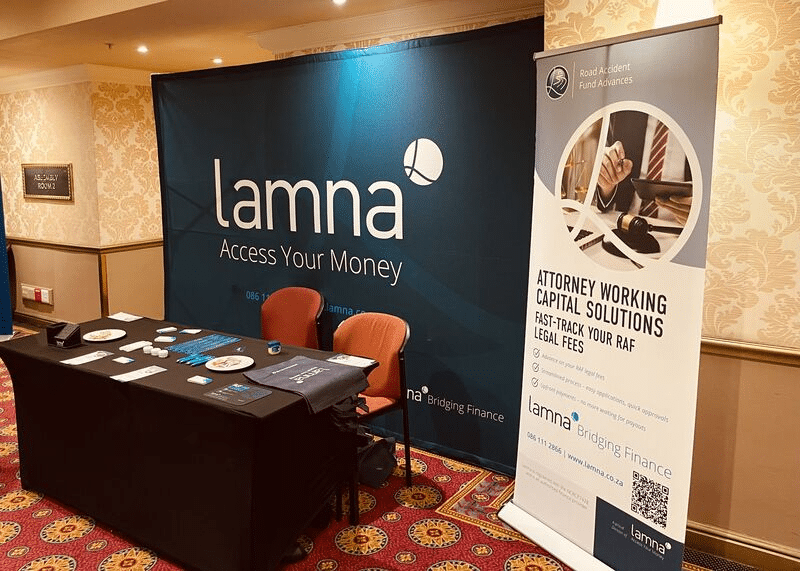
Lamna Business Funding is a practical tool for SMEs that trade in short, predictable cycles. It stands out for speed, clarity, and cash-flow-aware repayments—exactly what’s needed to seize supplier discounts, fulfil POs, and keep shelves full. Used with discipline in high-confidence use cases, Lamna Business Funding helps owners buy better, sell faster, and scale smarter. Compare live quotes, pressure-test your model, and move when the margin math is solid—because Lamna Business Funding is built to keep growth moving.